DSLR Beginners tipsYou’ve got your DSLR – what to do now?
1. Shoot in Auto Mode – Get out of it, only if you want to Everyone who is having an DSLR would say to you, ‘get out of auto mode’, and they’re right! To use the full potential of a DSLR then you do need to use Manual (M), Aperture Priority (AV) and Shutter Priority (TV) modes.
But… only when you’re ready, you don’t have to do it straight away.
If you’re moving from a Point and Shoot, and you want to use the auto modes because they’re familiar, or you just don’t want to feel useless, then go ahead and shoot in auto, program, landscape, portrait, sport or macro modes etc… You can always try out the manual modes alongside the auto ones if you like?
Instead, look at and use the rules of composition when shooting, change your perspective of the shot and look at what’s the focal point of your image – first, then moving out of auto mode will come more naturally. 2. Shoot, Shoot until you drop… like shop until you drop
You learn what you like to shoot and find more ways of shooting it, which means you’re learning composition.
And with digital cards the sky’s the limit because it’s so cheap to shoot, so there’s plenty of room to explore and try new things.
If it goes wrong it really doesn’t matter… 3. Have fun!
Photography is an expensive hobby. And you’ve spent a lot of money on buying a DSLR – so enjoy it!
Get use out of it, shoot when you want to and take images of what inspires you or catches your eye. Look at what you’ve taken, and take more of what you like.
Or challenge yourself and try something new. Or you could practice what you don’t like to take and see what happens?
Then you’ll know more about what you want to learn and get better at next…
4. You’re not going to be Ansel Adams over night?
Sorry to burst the bubble but a DSLR is not a magic wand that can spit out absolutely amazing photographs every time.
The camera is just your tool (whichever camera it may be) to take and record images, you’re the one in control, you create the image, you’re the photographer.
And it’s ok if not every shot is a masterpiece because photography is a journey.
You won’t get there straight away and there are no shortcuts to photography brilliance.
You’ll take a lot of shots you don’t like (I know I have).
It’s a journey that you should enjoy, it’s not a race. And you’ll learn a lot along the way (about more things than photography). It’s an amazing medium and you’ll get a lot out of it if you’re anything like me. 5. Learn how your camera works
I know my eyes glaze over when people start talking physics and prisms etc… and reading a camera manual can be tedious. But if you have a little understanding of how your camera works, and what functions are available to you, like how it deals with light e.g. shutter, aperture and ISO. Then a lot more shooting opportunities become available to you, and you are able to shoot in low light, night and sport photography situations with confidence. Not to mention easing the tension when your camera doesn’t understand exactly what it is you want it to do! Then you can take a photo of a window that you’re happy with, instead of putting your camera through the window!!!
Knowing how the camera sees light and how it records light will make you a better photographer. 6. Shoot in RAW
RAW is a type of camera file format like a jpeg. But it’s not compressed and holds a lot more information about the light that your camera has captured. This does make the file size a lot larger than a jpeg so watch the image count on your memory card.
You can change your settings to shoot in RAW in the quality menu in your camera. You can then adjust the way that light is handled yourself (the camera does this automatically with jpegs) using your RAW processing software. You generally get some free with your camera which is a good place to start, or you can use a software package like Photoshop , Aperture or Lightroom to do it.
You have a lot more editing options when you shoot in RAW like being able to adjust white balance, contrast, exposure etc… which gives you more creativity as a photographer. And if you save the original RAW file then you can go back in the future and still play around with it. You’re limited with what you can do with a jpeg in post processing. And I wish I had started shooting in RAW earlier, so I could try out some new techniques with some of my older images. So learn from my mistakes!
7. Post Processing!
Some photographers hate it and some love it. For me personally, I think post processing is an extension of and compliments what we do with a camera, and is part of the creative process of a photographer.
Remember a human eye is a lot more complex than a camera no matter how good they are, they haven’t caught up yet… so you never get exactly what you see in real life.
And at the end of the day the digital darkroom (post processing software) is a modern extension of the original darkroom, and even has some of the darkroom techniques (or digital versions of) like dodge and burn and unsharp mask included.
It’s just photography tools evolving – just like cameras do.
So getting a good grasp of what you can do with your images, and how you can do it with post processing software will put another string on your photography bow! 8. Share your photos
Get your photographs out there and share them with your family, friends or the world! 9. Check your gear before you go out…
Always check your gear before you go out. Have you got the spare lens that you want to use and the memory cards, battery, filters, oh and don’t forget the tripod?
It may be handy to write a checklist! 10. Look for inspiration… Look for inspiration all around you. You’ll notice that this becomes easier the more you shoot. Or look on Flickr, Digital Photography School forum, Pinterest or a favourite magazine perhaps?
Follow the pros and see what they do, try to emulate what they’ve taken to see how the image works. I’ve done this myself and it’s a great way to learn new things. How do the camera settings affect how the image looks?
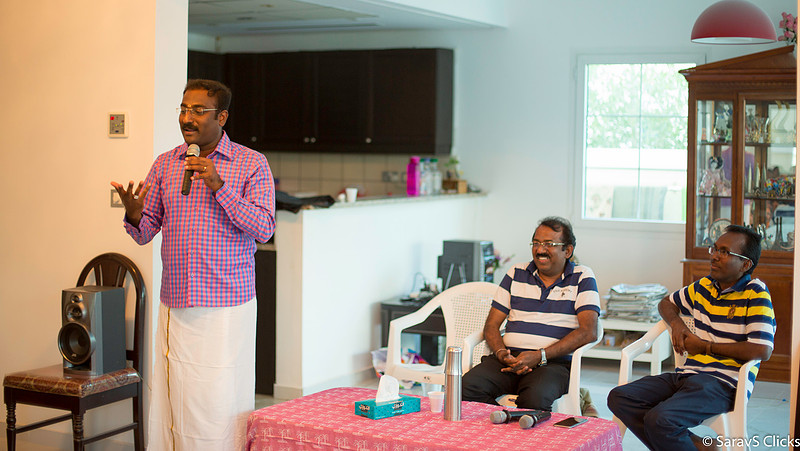
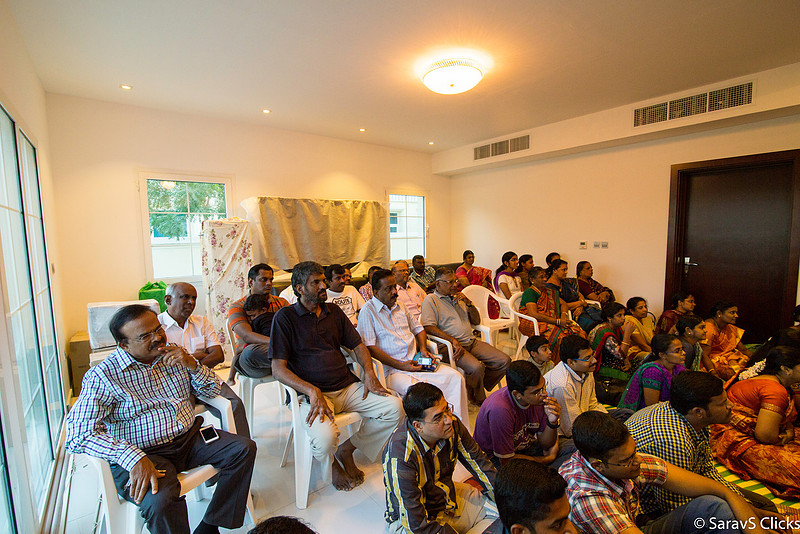
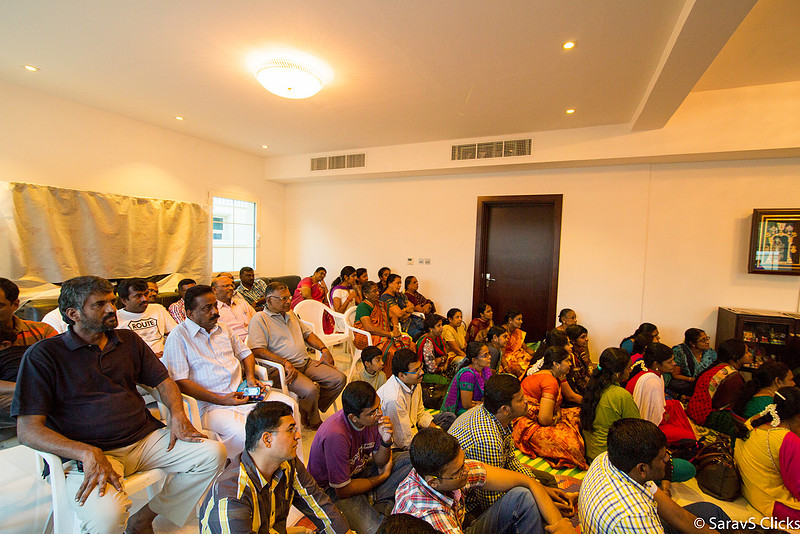
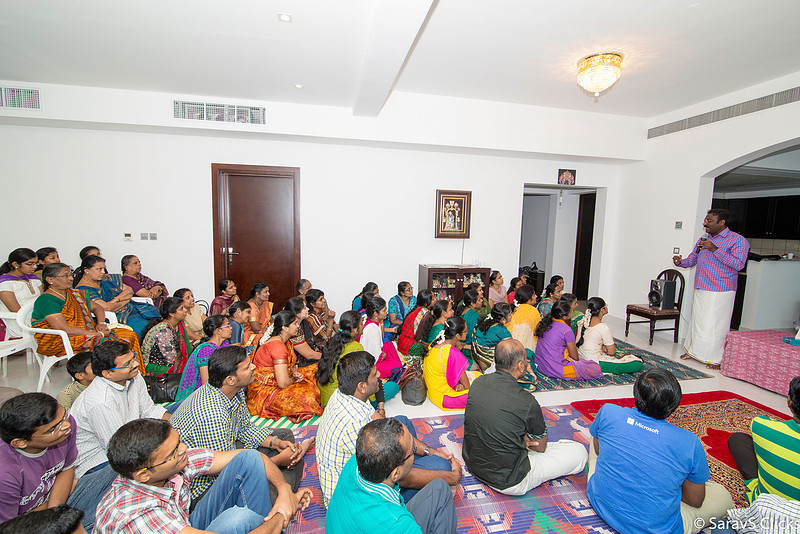
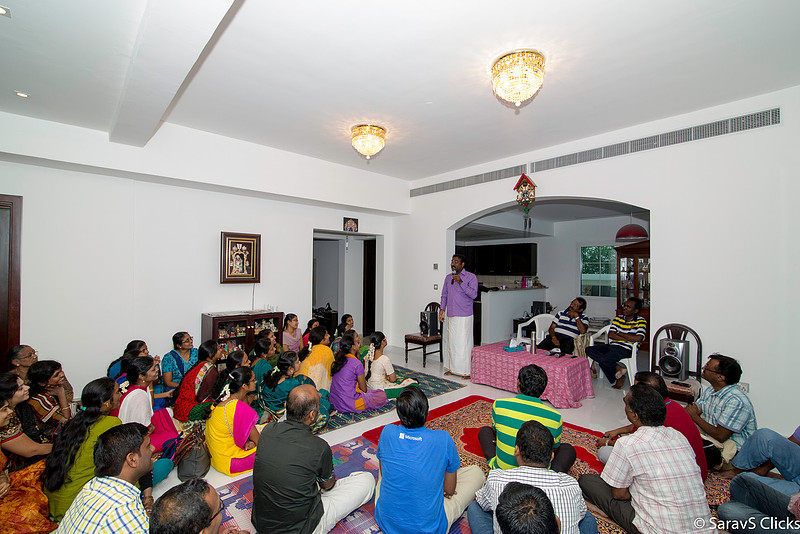
Try re-taking an image or idea that you’ve seen and learn from it. But then use what you’ve just learnt in your own images and ideas. Put your stamp, twist, personality and passion into an image, and then say hey look what I did! More Tips Follow this blog for more on the Exposure triangle, different modes on the camera, like Shutter priority, Aperture Priority , Manual. We will explore it on the following weeks. ECF Get TogetherOn the Evening of 12th Dec 2014, we the ECF Friends gathered to have a fun filled evening with Devakottai Ramanathan, an popular tamil language orator, here are some of the pictures.
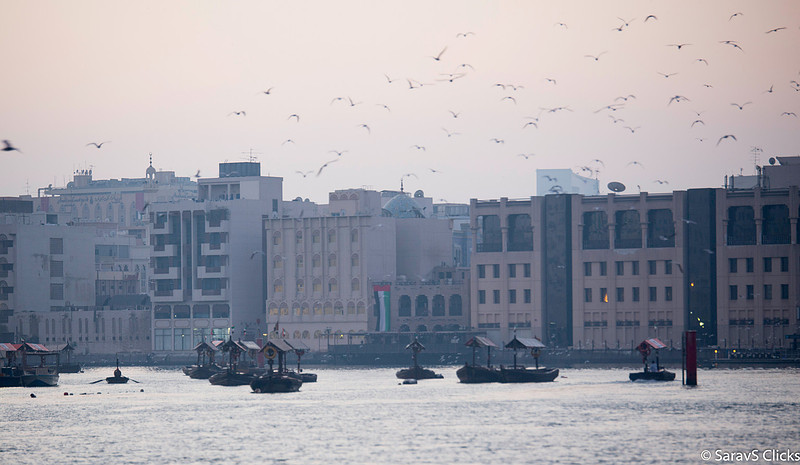
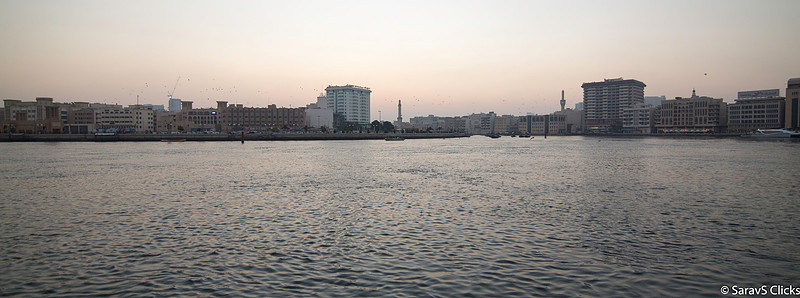
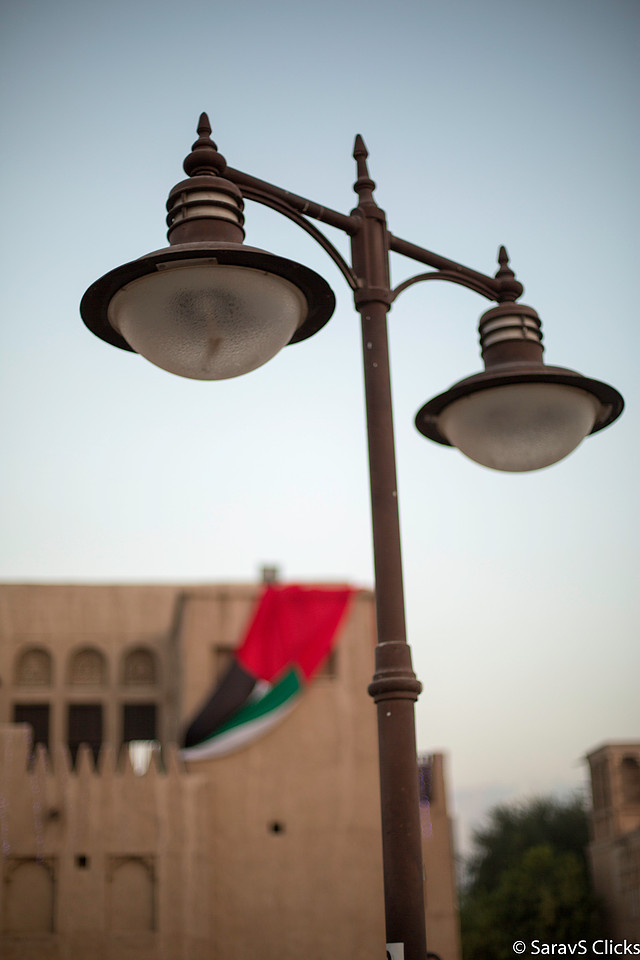
Dubai on a Friday MorningI was taking some pictures on the friday morning by the creek side , near the Heritage village and Diving village, here are some pictures.
GPP2015 - Dubai's Photography Festival
I am so excited to know about the schedule of the GPP2015.
What is GPP2015 about.
GPP2015 annual event is the region's biggest photography festival bringing the world's best photographers and instructors to Dubai to share their knowledge and experience with the Middle East and Africa's professional and amateur photography community. The dates for the 2015 event are 6th-13th March. Click here to visit the GPP2015 Page.
If you are intersted in photography , you should not be missing out the events and workshops of this GPP2015. World's top class photographers are visiting the event and having their workshops, partial list of visiting photographers are Joe McNally Lindsay Adler Zack Arias Joel Grimes Sara Lando RC Conception.
There are two events of GPP 2015 which you should not be missing are as follows PhotoFriday: Event will take place on Friday on March 6; a jam-packed day of seminars sessions from the visiting photographers. With 16 90-minute sessions happening throughout the day, it’s a fantastic and affordable way to gain amazing insights and advice, and different perspectives from some of world’s best photographers – choosing your favourite four will be the hard part! Cost will be AED 50 per seminar of photo friday, if you are booking for 3 seminars , you will get the 4th one free. For booking the Seminars, get in touch with Gulf Photo Plus The Shoot Out: the closing ceremony of GPP2015 will be legendary Shoot Out on March 13. GPP will pit three of the visiting photographers against each other in a battle to make the best photograph of an undisclosed subject. Sounds too easy? They’ll have just 20 minutes to shoot and process their image live on stage, with commentary (and the obligatory heckling) from their fellow photogs. A must-see, free to attend event.
Personally, I would be attending the Photo Friday, and some of the seminars and workshops.
These GPP2015 workshops are strongly recommended for anyone who has affinity towards photography and you get to learn from the masters of the art, what more you could expect for !!!
Wedding Photography StylesWedding Photography Styles Wedding Photography styles fall into three main categories. Traditional wedding photography, reportage wedding photography and contemporary wedding photography. There are significant differences and one of the main questions that has to be answered before you book your wedding photographer is; which of these wedding photography styles suits you. Many photographers combine styles for better coverage. Reportage wedding photographers for example usually accommodate a small number of formal group or portraiture shots, just like most contemporary wedding photographers take informal reportage style photographs. Lets go through the characteristics of the three main wedding photography styles. Traditional wedding photography style Also known as posed, conventional or classic wedding photography Traditional wedding photography was the only style in fashion until the new digital era, which allowed photographers and couples to not worry about the cost of the film they put through their cameras at a wedding. Conventional wedding photography is dominated by carefully posed shots or groups ranging from the whole wedding party to just the wedding couple themselves. Traditional wedding photographers rarely capture candid moments, they usually concentrate on the key moments and group shots only and they shoot a set list of photographs. This style involves a great deal of intervention from the photographer and a significant amount of time spent on the formal setups. The resulting images although document the participants, ,may not reflect the atmosphere of happiness and the excitement of the wedding day.
Reportage wedding photography style Also known as photo journalistic or documentary wedding photography. This style of photography is not new at all in generic terms, but it is relatively new to wedding photography. It has become increasingly popular in recent years. It is characterized by a natural approach from the photographer who follows the couple and the guests throughout the day while recording the events of the wedding as they happen in an unobtrusive manner. The main goal of a reportage photographer is to make a narrative wedding story out of the wedding by capturing natural and honest moments rather than setup poses. This method is all about observation, anticipation and spontaneity. These images convey genuine emotion with an added charm based on photographers artistic vision and perception. Many reportage wedding photographers accommodate formal shots as well.
Contemporary wedding photography style Also known as fashion, editorial , illustrative, creative, modern wedding photography. Contemporary wedding photography is partially inspired by editorial fashion photography. The emphasis is on creating high impact visually interesting images. Although shots are set up, they are less formal or rigid. The photographer aims to find interesting spots as a backdrop and uses or creates strong light effects and unusual angles. The created images are often given further treatment in post-production. Similarly to the traditional wedding photography style, due to the nature of artificially created posed shots of the modern editorial style wedding photography, the resulting images may not fully represent the originality and uniqueness of the wedding. It is more the photographers style that will dominate the wedding album rather than the wedding couples personality and the overall atmosphere of the day.
« Older Posts
© saravsclicks
|